
Retrospective #30DaysofGraph
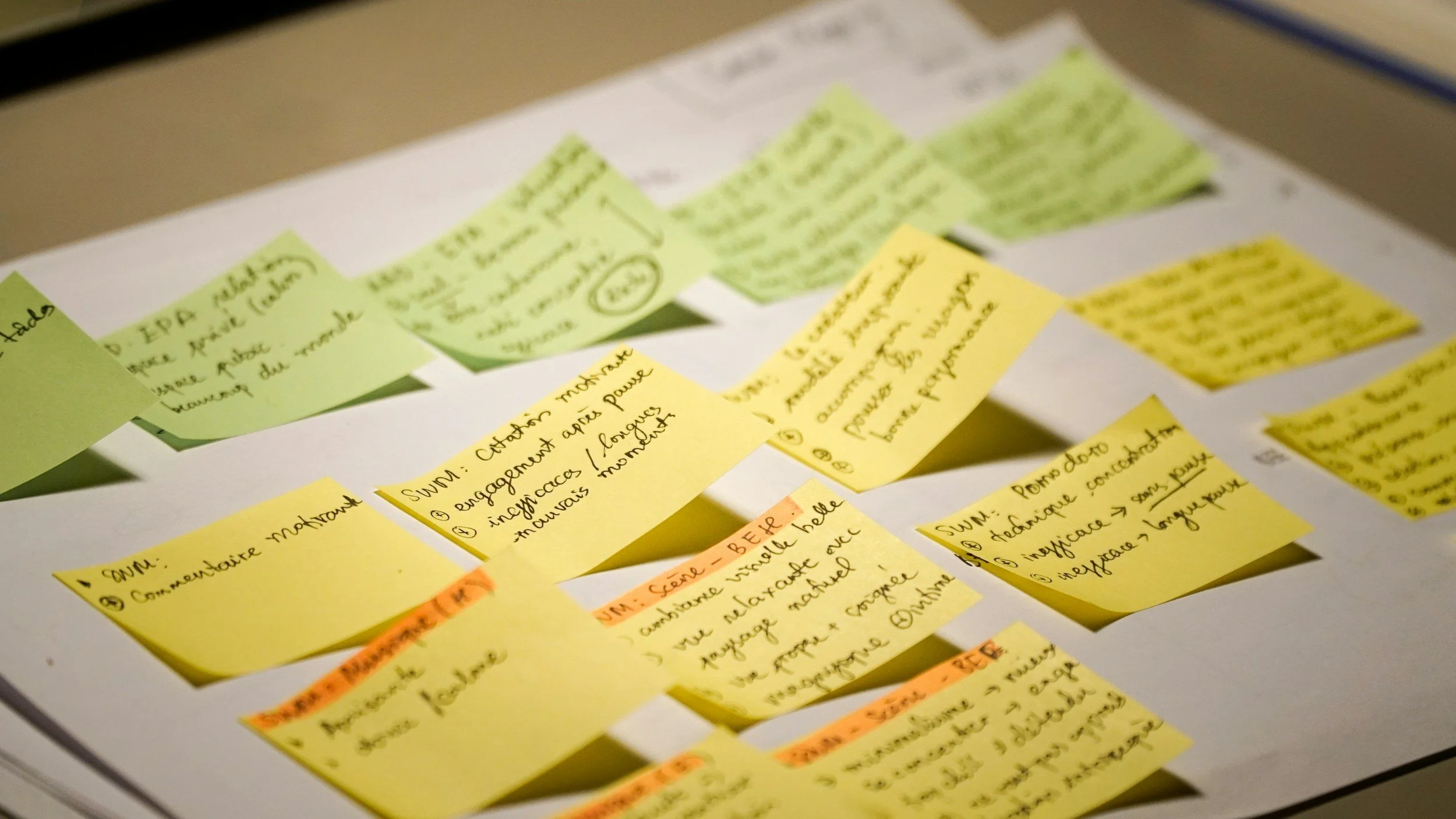
Woah, we are finally at the end of the #30DaysOfGraph.
Honestly, this gave us a lot of room to reflect. On the learnings, the engagement, what worked, what didn’t, and more importantly, what the community is actually curious about right now.
Initially, #30DaysOfGraph was intended to span across roughly 60 days over two months. But somewhere along the way, we realized something important: sustaining curiosity for that long requires extremely engaging and evolving conversations. While graph technology is incredibly powerful and useful, starting deeply from the fundamentals meant that the pace naturally became slower and more educational than trend-driven.
And that itself was a lesson.
One thing I personally underestimated was the ratio between beginners and experienced practitioners in the GraphGeeks community. Going into this, I assumed a large portion of the community was still trying to understand what graphs are and why they matter. But what became obvious over time was that many of our active contributors already understood the foundations quite well.
What people were truly interested in was the future.
They wanted conversations around AI and graph technologies. Around contextual graphs, graph memory, semantic systems, retrieval architectures, and how graphs fit into the next generation of AI systems.
And honestly, that makes complete sense.
The industry itself is shifting rapidly. Companies are under increasing pressure to do more with AI, move faster, and rethink how information systems are structured. Naturally, people are becoming more interested in how graphs support context, memory, reasoning, and connected intelligence, rather than just traditional graph representation alone.
What became increasingly clear to us is that GraphGeeks is evolving into a much more industry-oriented community “everything from travel, real-estate, retail, fashion and banking”, than we initially imagined. While we don’t yet have complete demographic insights into the community, it’s obvious many of the people engaging are practitioners, engineers, architects, researchers, and industry leaders actively thinking about real world systems.
That changes how we should think about community building moving forward.
Personally, I still think this initiative was extremely valuable. More than anything, it helped us begin building stronger community interaction and experimentation around graph technologies. It gave us room to discuss graph-based modeling, graph algorithms, RDF, semantics, and emerging ideas around graph powered AI systems.
Most importantly, it gave us signals.
Signals about where curiosity is heading. Signals about what people want to build. Signals about where graph technology is becoming increasingly relevant again.
And I think that matters a lot.
As we move forward, our goal is to make GraphGeeks even more community-driven, practical, and collaborative. We want to explore more hands-on projects, deeper technical discussions, and possibly open collaborative work around graph algorithms, knowledge representation, contextual systems, and graph-native AI tooling.
There are also a few exciting projects currently in the works that we can’t wait to share with everyone soon. If you have some ideas, please reach out to us.
For everyone who participated, contributed, read along, shared ideas, or simply stayed curious throughout the journey, thank you.
This is only the beginning.
- Dennis Irorere, Senior Data Engineer and GraphGeeks Director of Innovation
