
The Future of Tech Events is Small, Squeezed, and Unfiltered (I Hope!)
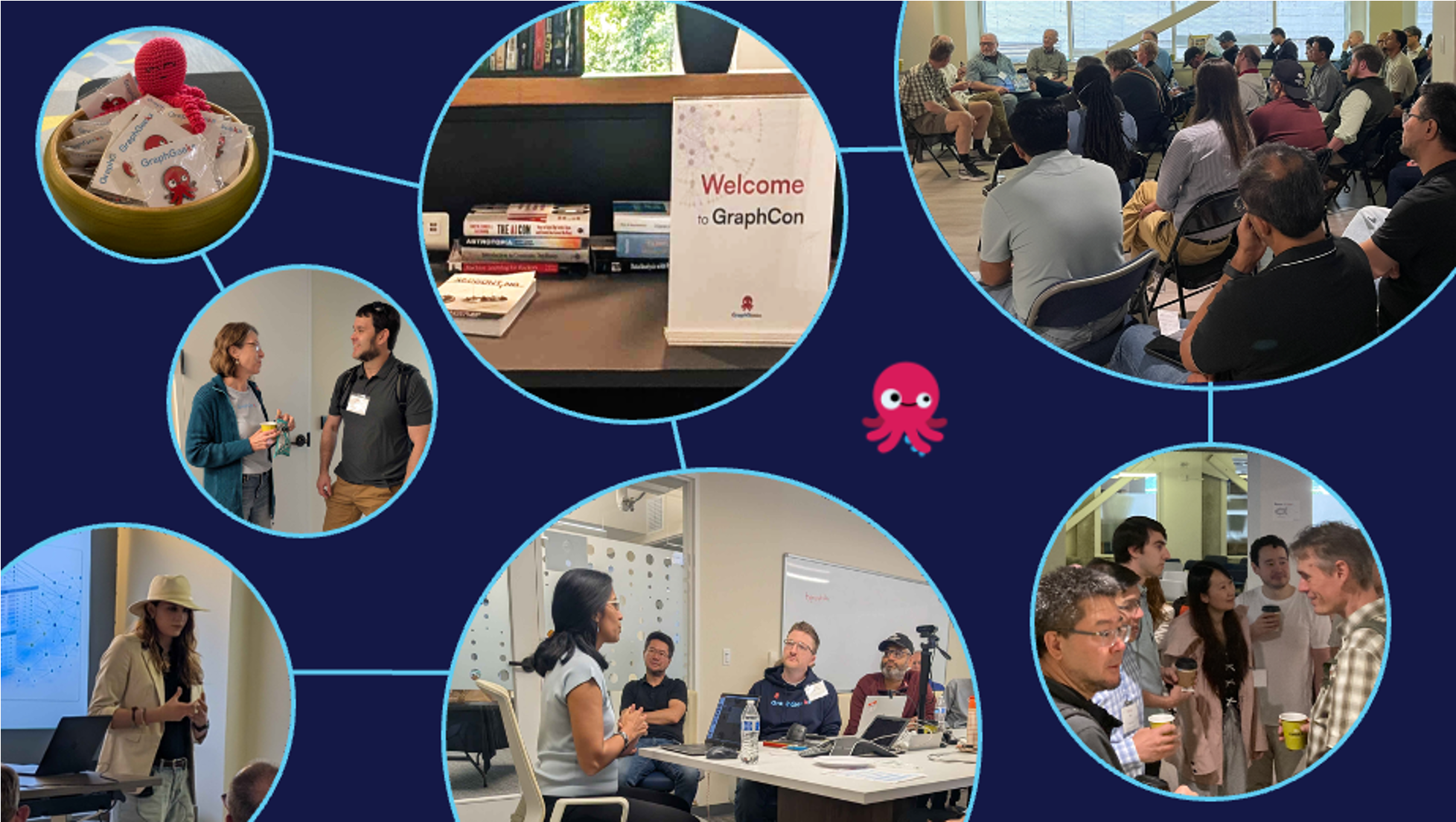
GraphCon - Seattle 2026
I’ve had a few weeks to let the excitement of GraphCon settle, time to digest attendee surveys, and debrief with colleagues. And I’ve realized something deeply personal about why this event felt right. (Despite me not feeling 100% in the morning!)
The tech industry has operated on a bigger-is-better playbook since I can remember. And that goes for events as well: we flock to massive convention centers, get badge-scanned by hundreds of vendors, navigate endless rows of corporate booths, and collect superficial connections with 100’s of people whose names we’ll soon forget. There’s profound cultural fatigue with that model. What we actually crave as humans and practitioners isn't a crowd of thousands. It’s real, meaningful connections with a smaller community of peers we can actually know, learn from, and keep track of.
I could say that was our plan from the beginning but in reality it was listening to what people wanted (said and unsaid) that pointed us to emphasize engagement and connections over size and perfection. Small, squeezed in, and unfiltered should be the new norm for tech events.
Squeezing into the Room
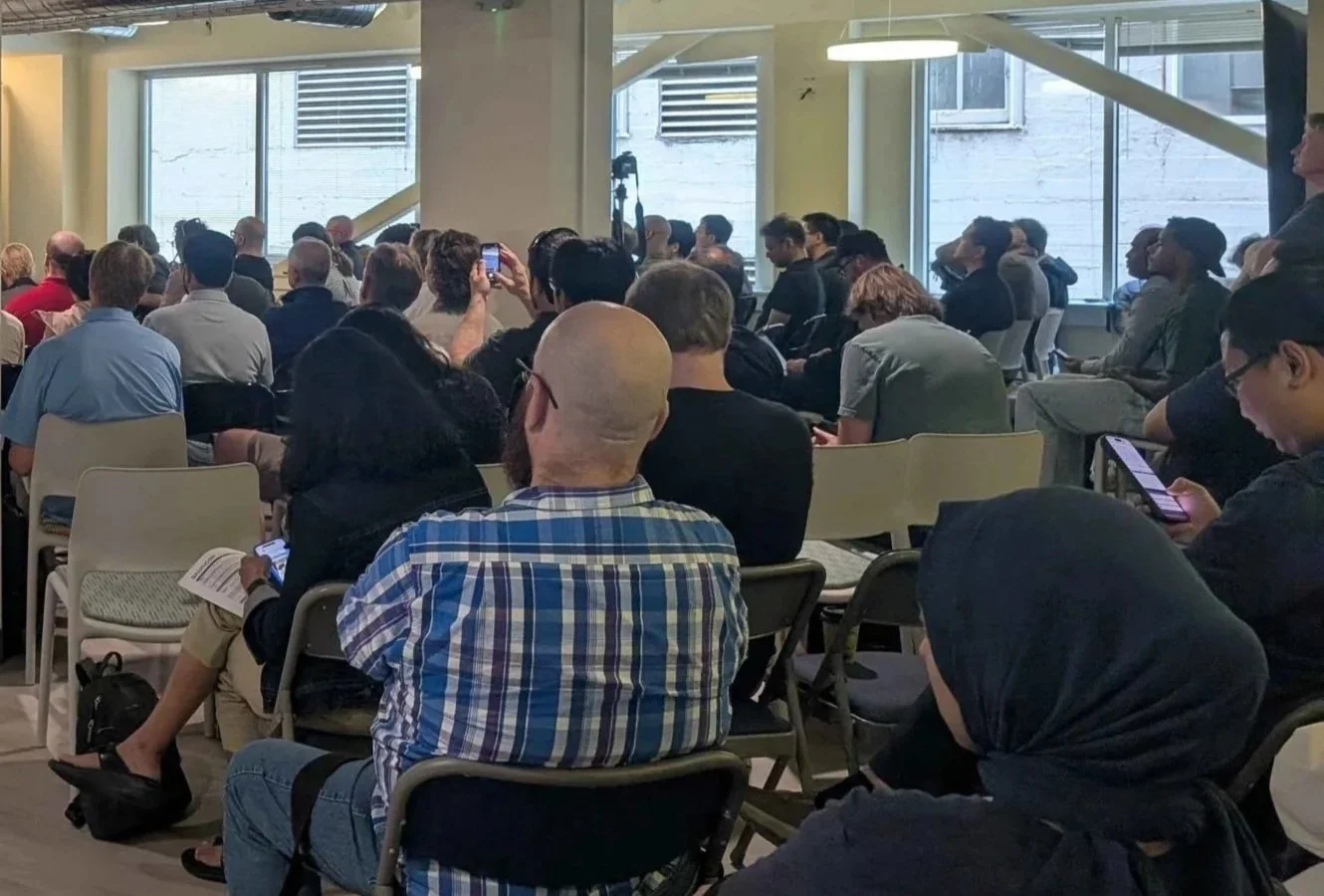
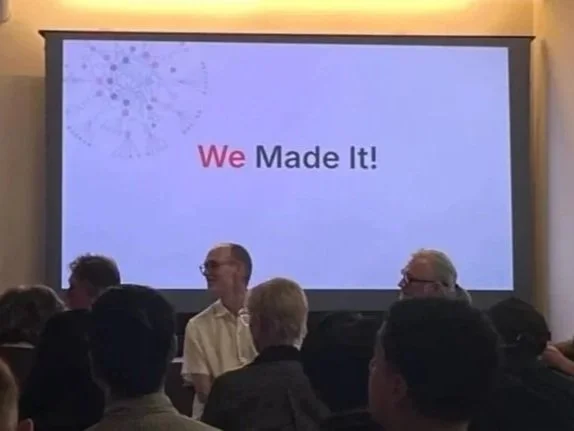
We intentionally capped registration at 75 attendees to keep the room manageable…and that may have been ambitious. We had more speaker requests than large rooms, so we created a parallel track in what ended up as a packed conference room. And then the waitlist grew with only a few no-shows, and instead of turning people away, we flexed the space at Boundary's office, pulling up extra folding chairs and packing every available corner.
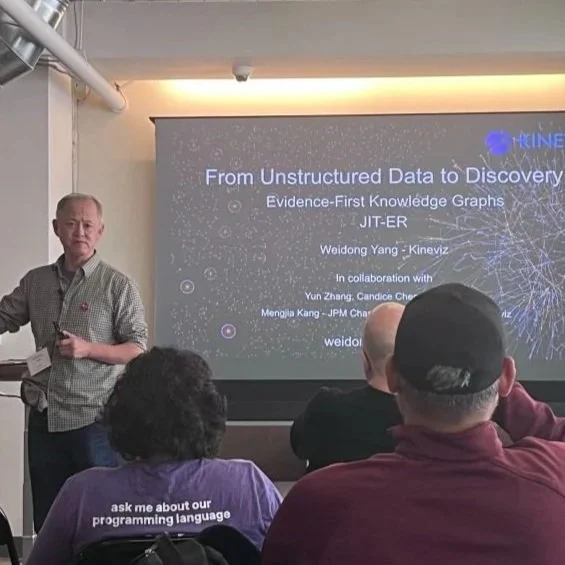
Being physically "squeezed" together did something interesting: it immediately stripped away professional stiffness. It reminded me of the family & friends gatherings where there’s more people than chairs. Weidong Yang (Kineviz) noted how large conferences carry the exhausting mental pressure of deciding who to approach in a sea of strangers. In a tight room you more naturally fall into unpretentious conversations with the people sitting right next to you.
High Density and Unfiltered Candor
At a massive 3,000-person trade show, you may spend days filtering through fluff to find a few pearls of real insight. A small room, however, forces an intense level of density. This feeling was captured perfectly during a post-event debrief:
“This was a way for people to come in and see the graph space and spend a day and get a distillation of what the current themes are that might have taken a week somewhere else.”
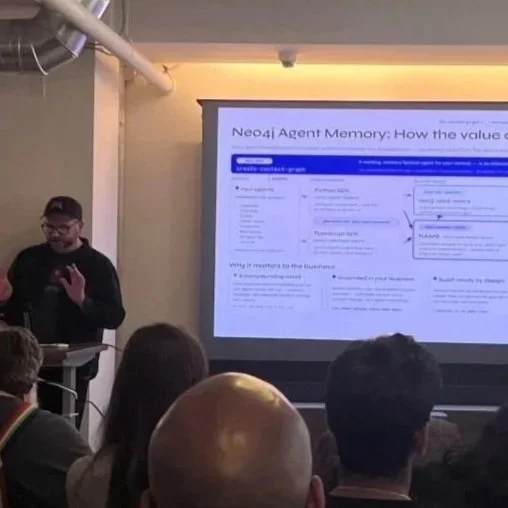
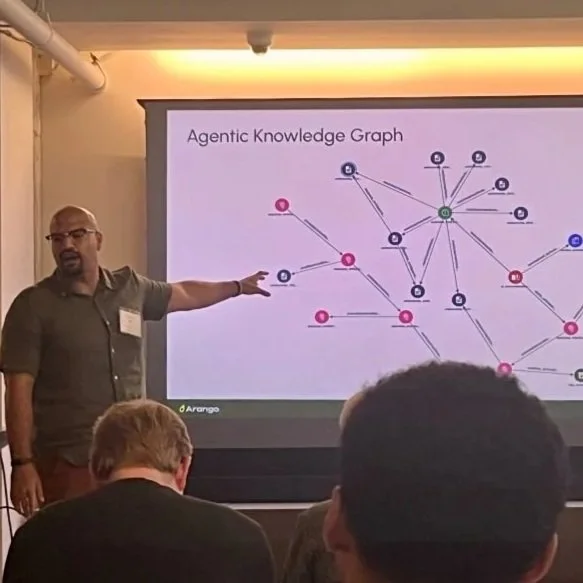
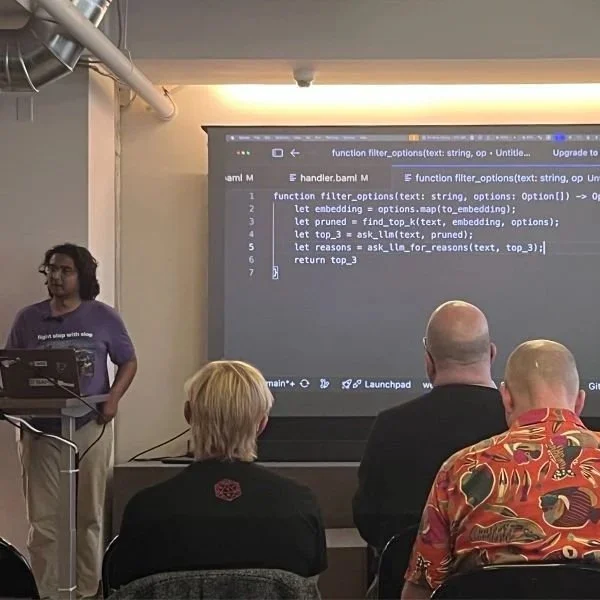
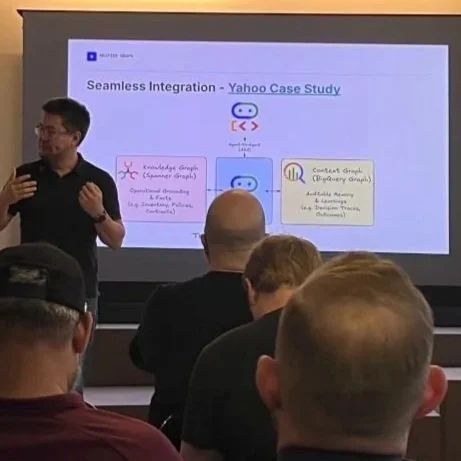
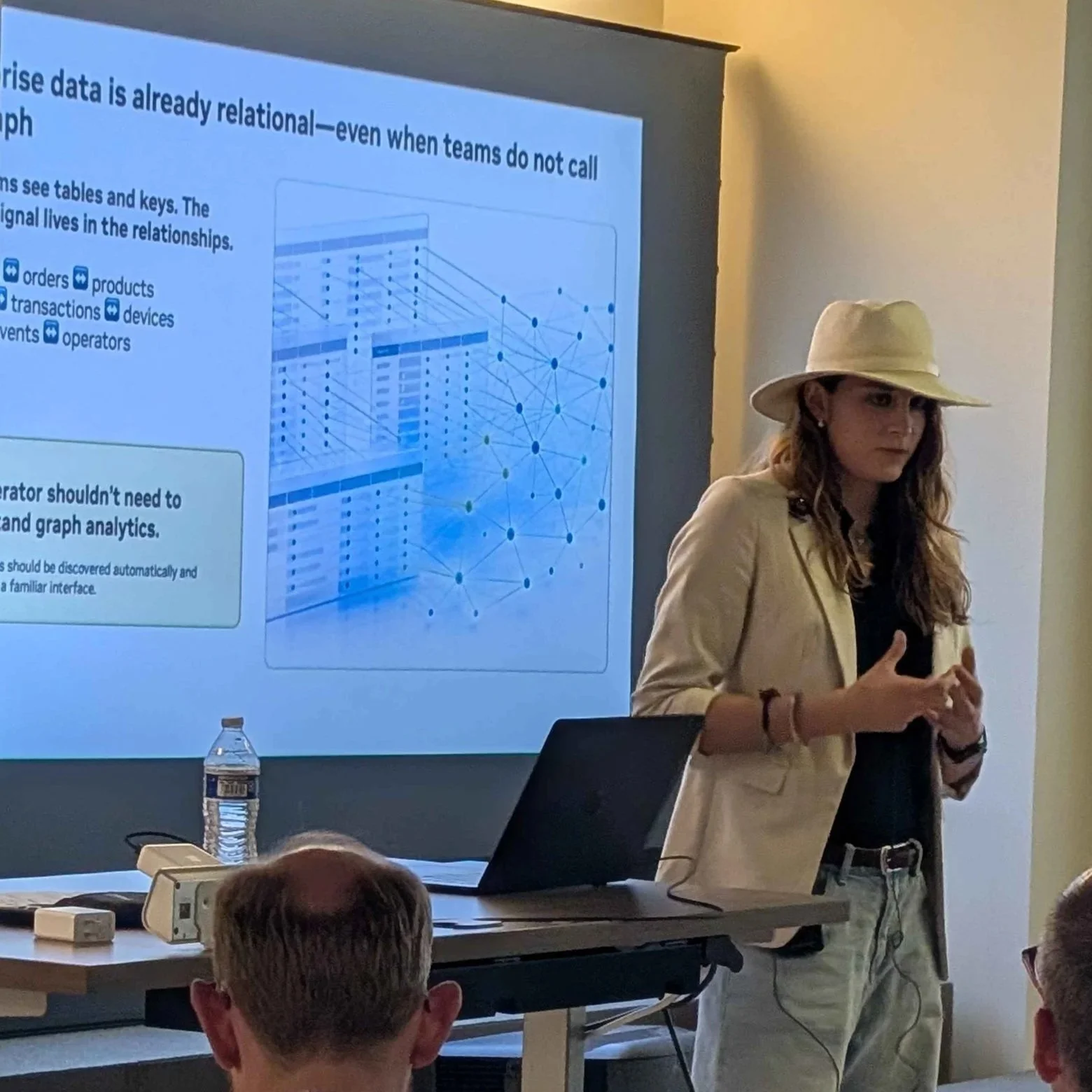
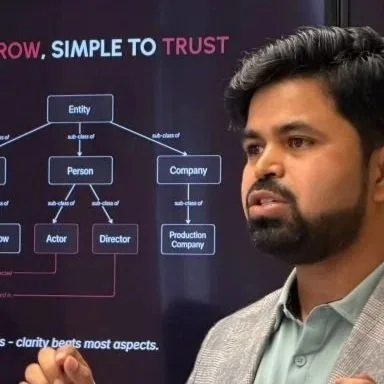
That distillation was only possible because our presenters and vendor sponsors brought extreme candor to the stage. Speakers from organizations like AWS, NVIDIA, Neo4j, and Google abandoned a corporate script. Nobody claimed their platform was "the world’s leading solution for everything." Instead, they spoke with refreshing, unfiltered honesty, openly conditioning their claims with, ‘Hey, this might not be for everyone, but here is what we're building and where the rough edges are.’
And when audience members asked sharp questions and put speakers on the spot during Q&A, it wasn't adversarial. It modeled open, critical dialogue for the whole room, opening the door for richer peer-to-peer discussions during hallway breaks.
Applied Graph + AI
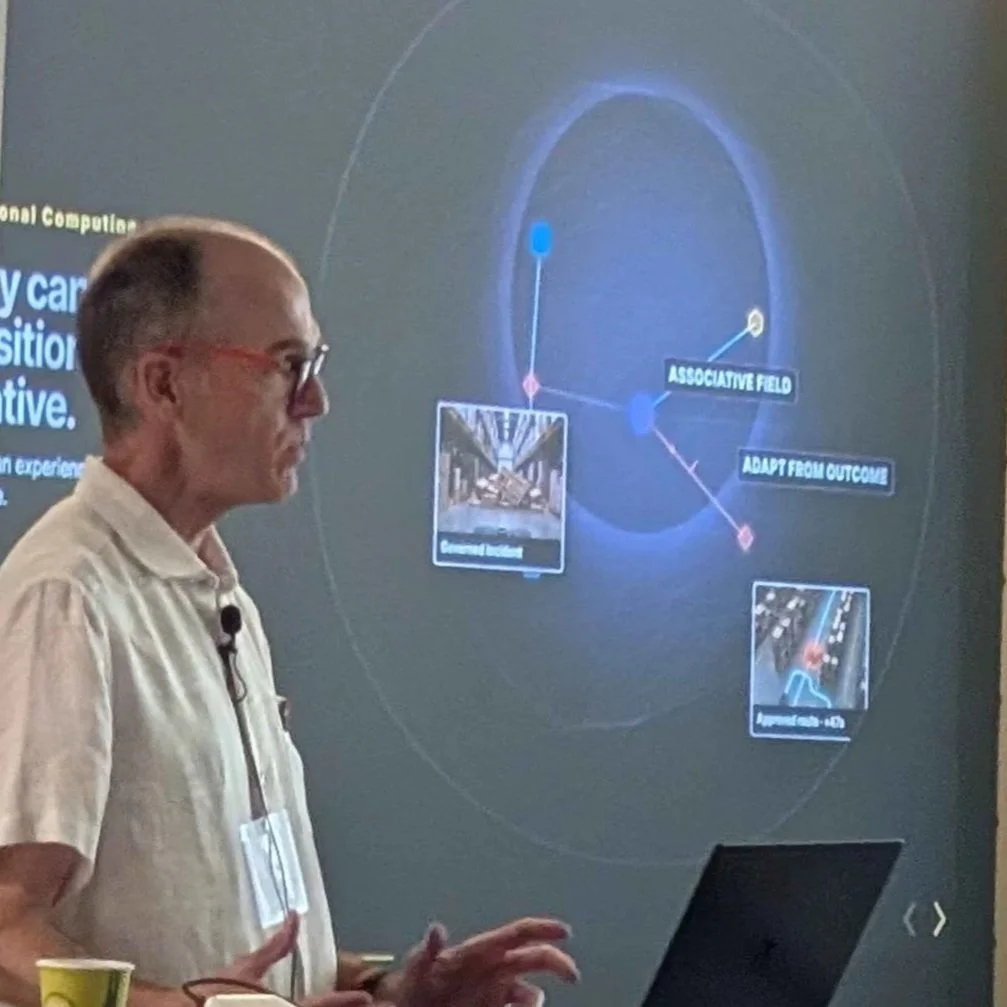
Toward the end of the day, graph expert David Haglin pointed out a subtle but profound detail: practically none of the talks focused on abstract graph theory, topology, or academic algorithms. I hadn’t even noticed! And as much as I love a good topology discussion, I think this is a healthy shift that signifies we’ve accepted the value of graph approaches and now are looking deeper into questions of how .
Every single presentation centered on applied practice, specifically how graph architectures are actively powering AI applications, agentic systems, and enterprise constraints with graphs + AI. For years, graph tech sat in the realm of theoretical promise. GraphCon proved we’ve crossed the threshold: graphs are now indispensable, practical infrastructure for modern AI stack builders.
Where We Go From Here
Looking at the survey feedback from 35 attendees and our post-event debriefs, people asked for longer short-sessions, more talks, and more time for Q&A and networking. And there was a strong enjoyment of a smaller group and footprint. So our path forward has some options we’ll be experimenting with:
Balancing More and Less: Looking at different formats from more, smaller informal meetups to different types of locations.
Space to Breathe: Exploring a longer footprint (many suggested two days) to give speakers more time and preserve dedicated buffers for unconference problem-solving.
Low-Production "Science Fair" Interaction: Less lecturing with more hands-on formats, panel discussions and opportunities for spontaneous questions.
As we finish processing talk recordings for YouTube, my personal takeaway stands firm: we don't need more impersonal mega-expos. We need high-signal, practitioner-first spaces where real work gets shared with honesty, less pretense, and room to actually get to know one another.
Postscript
Another insight that didn’t quite fit above was the community ethos that came across: Instead of generic corporate swag, people brought titles for a community book exchange, swapping everything from core computer science textbooks to niche histories; instead of tossing leftover catering, volunteers packed up food and delivered it to a local community refrigerator. It was scrappy, human, and grounded in shared purpose and that is deeply satisfying.
